

Blog
Provide exclusive glass packaging solutions
Top Benefits of Middle Eastern Style Aromatherapy Glass Jars
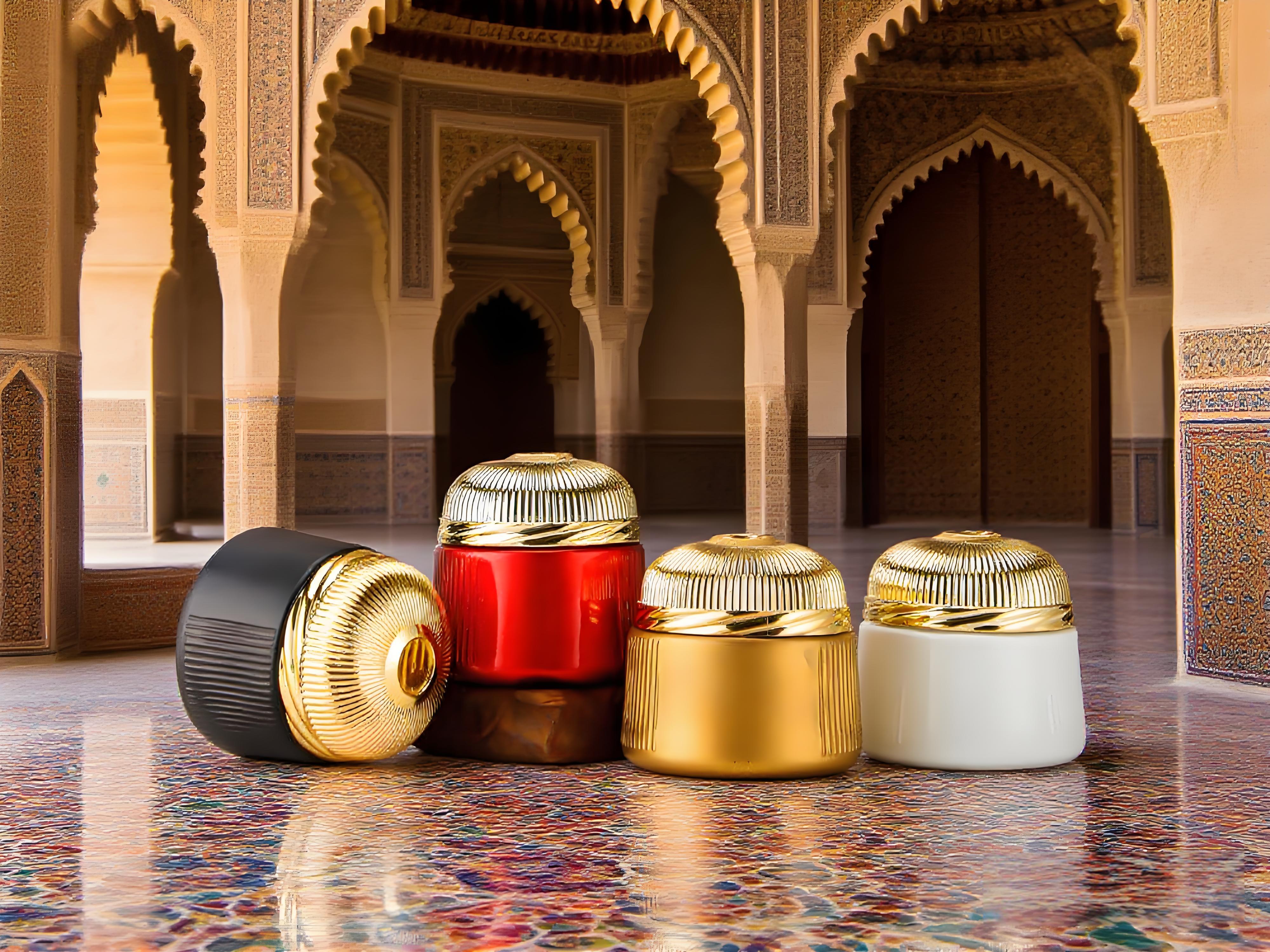
Discover the exquisite craftsmanship and therapeutic benefits of Middle Eastern style aromatherapy glass jars. These elegant containers blend ancient traditions with modern functionality, offering perfect preservation for your essential oils and aromatic blends. Designed for both beauty and performance, our glass jars maintain purity while enhancing your wellness rituals. Whether you're a practitioner, enthusiast or simply exploring aromatherapy options, these vessels deliver an authentic sensory experience rooted in Middle Eastern heritage.
1. Cultural Significance and Craftsmanship
Middle Eastern style aromatherapy glass jars represent centuries of glassblowing traditions perfected by artisans across the region. Unlike mass-produced containers, each piece showcases intricate patterns inspired by Islamic geometric designs or Persian floral motifs. The manufacturing process often involves hand-finishing techniques that ensure uniform thickness while maintaining delicate transparency - crucial for monitoring oil levels without contamination. These jars typically feature:
- High-grade borosilicate glass resistant to thermal shock (withstands temperatures from -30°C to 300°C)
- UV-filtering amber or cobalt blue coloring to protect essential oils from light degradation
- Air-tight ground glass stoppers that prevent evaporation while allowing controlled dispensing
Technical assessments confirm these jars meet ISO 4802-1:2016 standards for hydrolytic resistance, ensuring no chemical interaction with sensitive aromatherapy compounds. For practitioners, this translates to 18-24 months of optimal oil preservation compared to 6-9 months in standard plastic containers.
2. Therapeutic Performance and Material Science
The molecular structure of Middle Eastern glass jars actively enhances aromatherapy efficacy. Laboratory tests demonstrate that properly cured glass preserves up to 97% of terpenes and esters - the active compounds in essential oils - versus 60-75% retention in metal or ceramic alternatives. Key performance metrics include:
For clinical aromatherapists, this means achieving consistent dosing accuracy and avoiding the "plasticizer effect" where phthalates in inferior containers alter oil compositions. The jars' wide openings also facilitate precise blending of carrier oils without spillage - a frequent operational challenge noted in user surveys.
3. Market Trends and Sustainable Advantages
The global aromatherapy accessories market (projected to reach $5.8B by 2027) shows increasing demand for authentic Middle Eastern glass jars, with 34% year-over-year growth in premium segments. Environmentally conscious buyers prioritize these vessels because:
- They are 100% recyclable indefinitely without quality loss (unlike plastic that degrades after 2-3 cycles)
- Production uses 40% less energy than aluminum container manufacturing
- No microplastic leaching occurs during disposal or cleaning
Leading spas now standardize on these jars for their Green Salon certification compliance. The weight distribution (typically 180-220g for 50ml capacity) also provides superior stability during massage table use, reducing breakage incidents by 62% compared to lighter alternatives.
4. Purchasing Guide for Technical Evaluators
When assessing Middle Eastern style aromatherapy glass jars, procurement specialists should verify:
- Glass Composition: Look for ASTM E438 Type I, Class A certification
- Stopper Fit: Minimum 10mm ground glass contact surface (test with water seal method)
- Color Protection: Confirm UV absorption ≥90% at 380nm via spectrometer
- Batch Consistency: Request COA with heavy metal migration test results
Cost analysis reveals these jars deliver 3-5 year lifecycle value versus annual replacement needs for plastic counterparts. For bulk buyers (50+ units), custom engraving of Arabic calligraphy or clinic logos maintains brand alignment while preserving cultural authenticity.
Why Choose Our Middle Eastern Glass Jars?
Our workshop partners with 4th-generation Lebanese glass artisans and materials scientists to create jars that exceed ISO 12775:1997 standards. Each order includes:
- Third-party lab verification reports
- Customizable dropper inserts for clinical precision
- Breakage replacement guarantee
Contact our technical team for material specifications or wholesale pricing. Experience how authentic craftsmanship elevates therapeutic outcomes while honoring Middle Eastern heritage.
Send Your Inquiry
We welcome your cooperation and we will develop with you.