


Blog
Provide exclusive glass packaging solutions
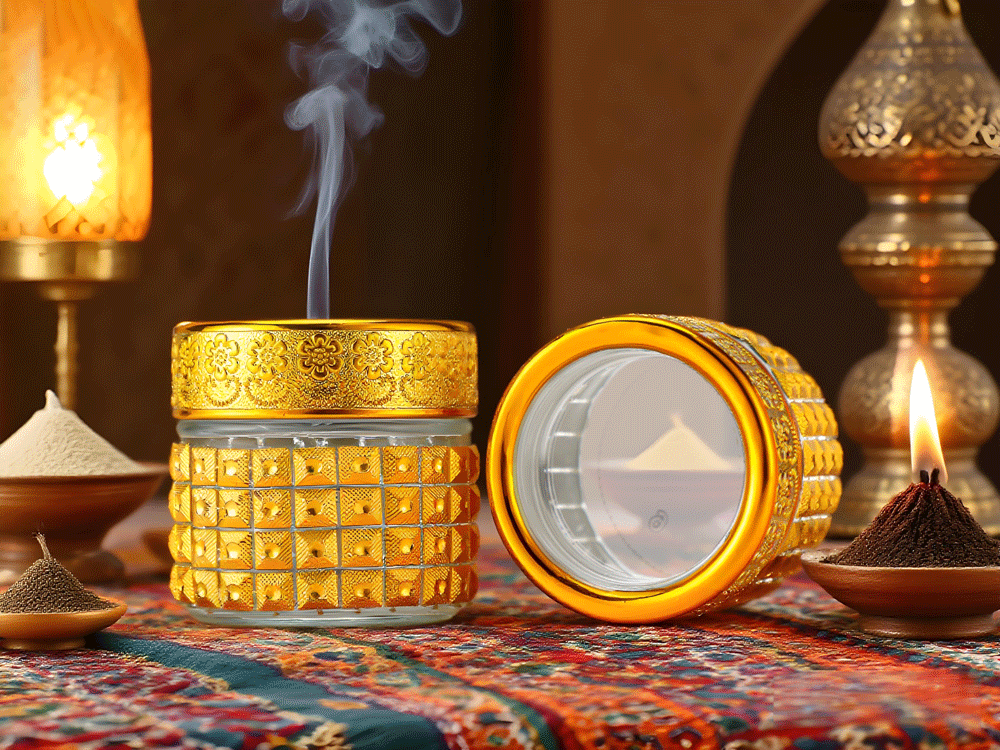
Discover the Exquisite Craftsmanship of Middle Eastern Style Aromatherapy Jars
Discover the exquisite craftsmanship of Middle Eastern style aromatherapy jars, where timeless glass artistry meets functional elegance. These handcrafted glass jars not only preserve your favorite essential oils and fragrances but also serve as stunning decorative pieces. Whether you're an aromatherapy enthusiast, interior designer, or simply appreciate fine glassware, our guide explores the unique features, cultural significance, and practical benefits of these beautiful containers that blend tradition with modern wellness.
The Art and Science Behind Middle Eastern Style Aromatherapy Jars
Middle Eastern style aromatherapy jars are more than just containers; they are a testament to centuries-old glassblowing techniques perfected by artisans across the region. Crafted from high-quality, lead-free glass, these jars are designed to protect delicate essential oils from UV degradation while enhancing their aromatic properties. The thick, hand-blown glass walls provide excellent insulation, maintaining optimal temperature for oil preservation. Many feature intricate geometric patterns or vibrant enamelwork inspired by Islamic art, making each piece a unique work of art. The airtight seals, often incorporating traditional cork or modern silicone gaskets, ensure your precious oils maintain their therapeutic potency for extended periods.
Technical Specifications and Material Advantages
When evaluating Middle Eastern style glass jars for aromatherapy use, several technical factors come into play. The glass composition typically includes silica sand (70-75%), soda ash (12-15%), and limestone (10-12%) - a formula that creates durable yet crystal-clear vessels. High-quality jars undergo annealing processes to relieve internal stresses, making them resistant to thermal shock (withstand temperatures from -10°C to 80°C). The table below compares key performance metrics between standard glass containers and premium Middle Eastern style aromatherapy jars:
Cultural Significance and Modern Applications
The tradition of glass vessel production in the Middle East dates back to ancient Mesopotamia, with contemporary artisans preserving these techniques while adapting to modern needs. In clinical aromatherapy settings, these jars' dark-colored glass (typically amber or cobalt blue) provides crucial protection against photodegradation of therapeutic compounds. Spa professionals appreciate their ergonomic designs featuring wide mouths for easy access and cleaning. Interior designers frequently incorporate these statement pieces into wellness spaces, leveraging their aesthetic appeal to create culturally rich, soothing environments. The jars' substantial weight (typically 300-500g when empty) provides stability against accidental spills, while their non-porous glass surfaces prevent absorption of scents - a common issue with plastic alternatives.
Purchasing Considerations and Industry Standards
For technical evaluators and procurement specialists, several certifications indicate quality in Middle Eastern style aromatherapy glass jars. Look for ISO 4802-1 compliance for glassware used with essential oils, which ensures hydrolytic resistance (minimum Class 3). The European Pharmacopoeia (Ph. Eur.) standards for glass containers (3.2.1) are another reliable benchmark. When sourcing, consider that genuine handmade pieces will show slight variations in shape and thickness - actually indicators of authentic craftsmanship rather than defects. Bulk purchasers should verify the glass's sodium oxide content (should be ≤15% for chemical durability) and request material safety data sheets. For commercial use in aromatherapy clinics, jars should meet FDA 21 CFR Part 211.94 standards for container closure systems.
Maintenance and Best Practices for Longevity
Proper care ensures your Middle Eastern style aromatherapy jars remain beautiful and functional for years. Always hand wash with pH-neutral detergents (avoid dishwashers, as harsh detergents can etch decorative surfaces). For stubborn oil residues, soak with baking soda paste rather than abrasive scrubbers that could scratch glass. Store empty jars with their lids off to prevent musty odors, and rotate oils quarterly to prevent degradation of any single scent. When using with citrus oils (which can degrade some seal materials), opt for jars with PTFE-lined caps. Professionals managing large collections should implement an inventory system tracking each jar's usage history, as some oils (like cinnamon or clove) can leave persistent aromas requiring specialized cleaning.
Why Choose Authentic Middle Eastern Style Glass Jars?
In an era of mass-produced wellness products, authentic Middle Eastern style aromatherapy jars represent a convergence of heritage craftsmanship and modern therapeutic science. Their superior material properties outperform generic alternatives in essential oil preservation, while their artistic designs elevate any space. For commercial buyers, these jars communicate premium quality to discerning clients, and their durability provides excellent long-term ROI. We partner directly with artisan workshops in the Middle East to bring you ethically sourced, museum-quality pieces that meet rigorous international standards. Contact our glass specialists today to discuss custom solutions for your aromatherapy practice or retail business.
Send Your Inquiry
We welcome your cooperation and we will develop with you.